
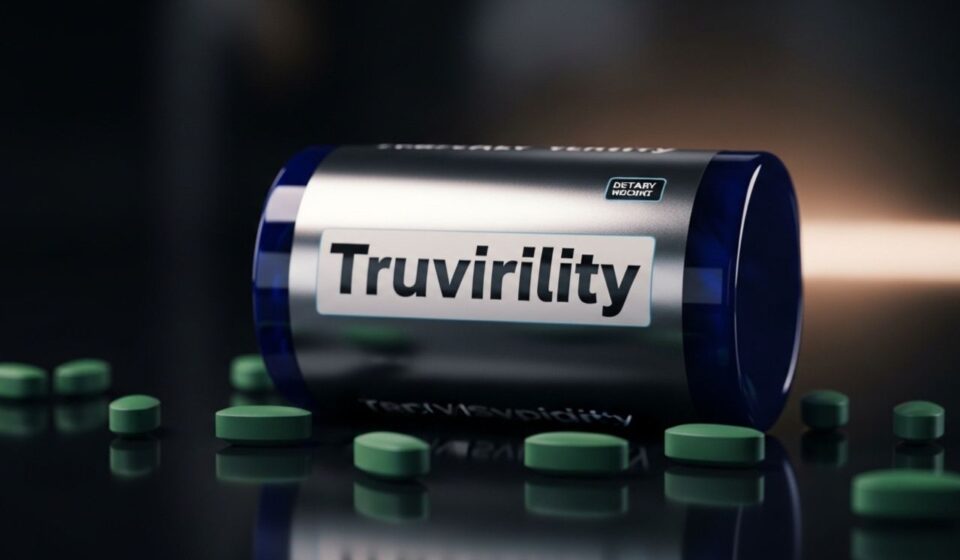

Introduction to Truvirility
Truvirility is a term that’s been making waves across various fields, from personal development to business strategies. But what does it really mean? As we navigate this modern landscape, understanding truvirility can unlock new perspectives on masculinity, confidence, and authenticity. With society constantly evolving, so too does our interpretation of what it means to embody true virility. This concept has implications not just for individuals but also for businesses looking to connect with their audiences more authentically. Join us as we explore the multifaceted world of truvirility—its meaning, trends, and the profound impact it’s having in today’s culture.
Understanding the Meaning of Truvirility
Truvirility is a term that embodies authenticity and vigor in personal identity. It transcends traditional notions of masculinity, focusing on genuine expression rather than conformity to stereotypes.
At its core, truvirility champions the idea of being true to oneself. This means embracing vulnerability alongside strength. Many men are now exploring emotional intelligence as an essential aspect of their identities.
This concept encourages individuals to reject toxic norms. Instead of merely displaying outward toughness, it invites introspection and self-awareness.
In this modern age, truvirility seeks balance—combining assertiveness with empathy. It’s about recognizing one’s worth while also valuing others’ perspectives.
As society evolves, so does the understanding of what it means to be truly virile. This ongoing dialogue shapes cultural perceptions and influences personal development across various demographics.
The Evolution and Trends of Truvirility
Truvirility has seen a noticeable evolution in recent years. Initially rooted in traditional notions of masculinity, it now embraces a broader understanding of male identity.
This shift reflects changing societal norms. More men are valuing emotional intelligence and vulnerability alongside physical strength. As conversations around mental health gain traction, truvirility evolves to include these aspects.
Trends show that brands are adapting too. Marketing campaigns increasingly showcase diverse representations of manhood. Men are encouraged to express their feelings openly, breaking stereotypes that once dominated the narrative.
Social media plays a significant role in this transformation. Platforms allow for discussions on what it means to be virile today, amplifying voices that challenge outdated ideals.
As different cultures influence perceptions of masculinity, truvirility continues its journey toward inclusivity and authenticity. This dynamic landscape encourages continuous exploration into new definitions of strength and resilience among men everywhere.
The Impact of Truvirility on Society and Business
Truvirility is reshaping the landscape of both society and business. It promotes a new understanding of masculinity that values strength, authenticity, and emotional intelligence. As this concept gains traction, traditional stereotypes are being challenged.
In the corporate world, companies are rethinking their branding strategies to align with truvirility ideals. They focus on promoting products that empower rather than objectify men. This shift not only resonates with consumers but also enhances brand loyalty.
On a societal level, truvirility encourages open conversations about mental health and vulnerability among men. This cultural shift fosters greater acceptance of emotional expression in various settings—home, work, or social environments.
Moreover, businesses embracing these values often witness increased employee satisfaction. A healthier workplace culture leads to improved productivity and retention rates as individuals feel more valued for who they truly are beyond just performance metrics.
How Companies are Utilizing Truvirility
Companies are increasingly tapping into the concept of truvirility to enhance their brand identities. By aligning with ideas of authenticity and strength, businesses can foster deeper connections with consumers.
Marketing campaigns often incorporate elements that reflect true masculinity and empowerment. This resonates well in industries from fitness to men’s grooming. Brands showcase real stories that celebrate vulnerability alongside traditional notions of virility.
Moreover, companies leverage partnerships with influencers who embody truvirility. These collaborations help amplify messages about confidence, resilience, and positive masculinity.
In product development, brands are creating offerings tailored for men seeking self-improvement and holistic wellness. The focus is not just on physicality but also mental strength.
Through community engagement initiatives, businesses encourage discussions around redefining manhood. They create safe spaces where individuals can express themselves without judgment or stereotypes hanging over them.
Criticisms and Controversies Surrounding Tru-virility
Truvirility, while gaining traction, has not escaped criticism. Some argue that it promotes unrealistic standards of masculinity. This can lead to harmful stereotypes about what it means to be a man in modern society.
Critics also highlight the commercialization of truvirility. They point out that brands often exploit insecurities for profit. Marketing strategies frequently exaggerate benefits, creating false expectations among consumers.
Moreover, there are concerns about mental health implications. The pressure to embody the ideals associated with truvirility may result in anxiety and stress for many individuals striving to meet these societal benchmarks.
Discussions around consent and respect have emerged as well. How does this concept align with evolving views on relationships? Many question whether the emphasis on traditional virility undermines progress toward equality and mutual respect between genders.
The Future of Tru-virility and its Potential Growth
The future of truvirility is poised for significant transformation. As societal norms evolve, the definitions surrounding masculinity and virility are being redefined. This shift opens up new avenues for understanding personal strength and confidence.
Technological advancements play a crucial role in this evolution. Virtual reality experiences and AI-driven platforms may soon offer personalized insights into well-being and self-perception, enhancing how individuals connect with their own sense of truvirility.
Moreover, businesses that adapt to these changing trends can tap into emerging markets focused on holistic approaches to health. Companies might invest more in marketing campaigns that celebrate diverse expressions of masculinity instead of adhering to traditional stereotypes.
As awareness increases, so does the potential for community engagement around truvirility concepts. Networking spaces dedicated to discussions about identity could flourish, fostering connections among those navigating similar challenges or celebrating similar successes.
Conclusion
Truvirility has carved a unique niche in the landscape of contemporary discussions around masculinity and self-expression. It is reshaping how individuals perceive strength, confidence, and vulnerability in today’s world. As trends evolve, the understanding of what it means to embody truvirility continues to grow.
This movement reflects broader societal shifts towards inclusivity and authenticity. Companies are recognizing this shift as well, often aligning their marketing strategies with these values to resonate deeply with consumers.
However, not everyone views truvirility favorably. The concept invites various critiques that challenge its definitions and implications. This ongoing debate adds depth and complexity to the conversation surrounding masculinity today.
As we look ahead, truvirility holds promise for continued evolution within both society and business arenas. Its impact will likely expand further as more people embrace a nuanced view of personal identity and expression. Whether you champion or critique this movement, one thing remains clear: truvirility is here to stay and will continue shaping conversations for years to come.