
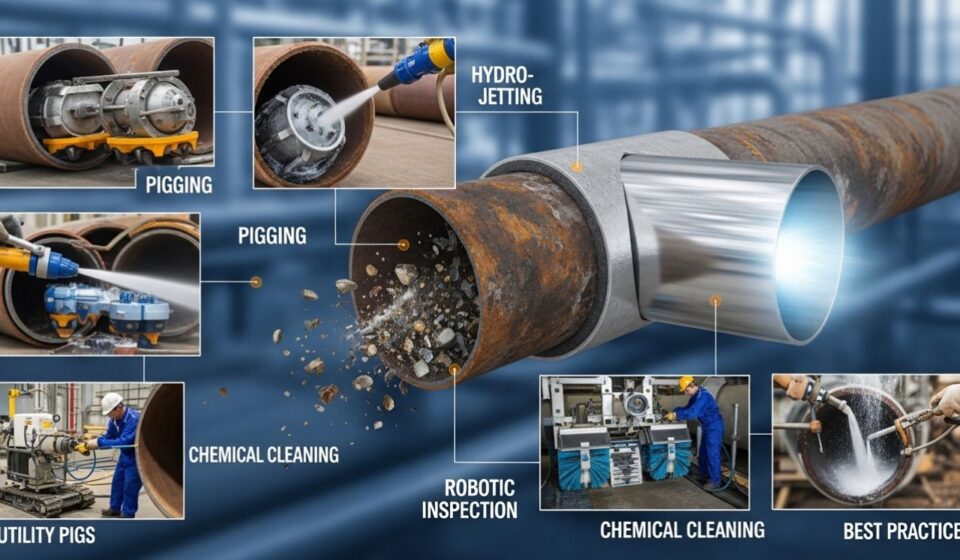

Introduction to Pipeline Cleaning
Pipeline cleaning is a crucial yet often overlooked aspect of maintaining the integrity and efficiency of pipelines. Whether they transport oil, gas, or water, pipelines can accumulate debris, corrosion, and buildup over time. This not only affects their performance but also poses risks to safety and the environment.
Understanding how to effectively clean these essential conduits is key for industries relying on smooth operations. As we delve into methods, tools, and best practices for pipeline cleaning, you’ll discover why keeping your pipelines in top shape should be a priority!
Reasons for Pipeline Cleaning
Pipeline cleaning is essential for several key reasons. First, it helps maintain the efficiency of your system. Over time, debris and buildup can obstruct flow, leading to reduced performance. Another crucial factor is safety. Blocked or corroded pipelines can pose significant risks, including leaks or even ruptures. Regular cleaning minimizes these hazards and ensures compliance with safety regulations.
Additionally, pipeline cleaning extends the lifespan of your infrastructure. By removing harmful substances that cause corrosion or wear, you protect your investment in the long run. Environmental concerns also play a role. Clean pipelines reduce the risk of spills and contamination in surrounding areas, promoting sustainability. Regular maintenance can lead to cost savings by preventing expensive repairs down the line. A clean pipeline system ultimately contributes to smoother operations across various industries.
Methods of Pipeline Cleaning:
Pipeline cleaning employs several methods to ensure optimal flow and efficiency. First of all, each technique serves different needs based on the type of buildup present. For instance, mechanical cleaning involves physical tools to remove debris. In particular, this can include scrapers or brushes that dislodge stubborn obstructions from pipe walls. On the other hand, chemical cleaning takes a different approach, utilizing specialized agents to dissolve contaminants. As a result, this method is effective for tackling rust, scale, and other chemical residues without damaging the pipeline material.
Hydroblasting uses high-pressure water jets to clean pipes thoroughly. It’s particularly useful in removing heavy deposits where traditional methods might falter. Pigging introduces devices known as pigs into pipelines. These tools travel through the pipe, scraping away build-up while simultaneously inspecting interior conditions for any potential issues. Each method offers unique advantages tailored to specific circumstances within pipeline maintenance routines.
A. Mechanical Cleaning
Mechanical cleaning is a hands-on approach to pipeline maintenance. It utilizes physical tools and equipment to effectively remove debris, buildup, and corrosion from the interior surfaces of pipes. One popular method involves using scraper pigs. These devices move through the pipeline, scraping away deposits as they travel. They are powerful enough to handle substantial blockages while being gentle on the pipe’s structure.
Another technique is using brushes attached to flexible rods. This allows for targeted cleaning in specific areas where dirt tends to accumulate more heavily. The bristles can dislodge stubborn materials that other methods might miss. The mechanical process often serves as a pre-treatment step before chemical or hydroblasting methods are applied. Keeping pipelines clean mechanically reduces wear over time and enhances overall system efficiency without introducing harsh chemicals into the environment.
B. Chemical Cleaning
Chemical cleaning is a powerful method used to remove stubborn deposits and contaminants from pipelines. It employs specialized chemicals designed to break down oils, greases, rust, and other buildups that mechanical methods may not effectively address. This technique is particularly useful for complex systems where physical access is limited. The targeted approach ensures that the right substances are applied in controlled amounts, minimizing damage to the pipeline material while maximizing cleanliness.
Safety precautions are paramount when using chemical cleaners. Proper protective gear and ventilation must be employed to safeguard workers from harmful fumes or reactions. Additionally, selecting the appropriate chemical solution based on pipeline materials and types of contaminants can enhance effectiveness while reducing environmental impact. This careful selection process underscores the importance of expertise in executing effective chemical cleaning strategies for optimal results.
C. Hydroblasting
Hydroblasting is a powerful method for pipeline cleaning that harnesses high-pressure water jets. This technique effectively removes stubborn deposits, such as rust and scale, from the inner walls of pipelines. Using specialized nozzles, hydroblasting can target specific areas with precision. The force generated can reach up to 40,000 psi, making it suitable for various pipe sizes and materials.
One of the significant advantages of hydroblasting is its eco-friendliness. It primarily uses water with little or no chemicals involved in the process. This minimizes environmental impact while maintaining effectiveness. Operators must be trained to handle this equipment safely due to the extreme pressures involved. Proper safety measures are crucial during operation to ensure both efficiency and safety for personnel on-site.
D. Pigging
Pigging is a sophisticated technique used for pipeline cleaning that involves the use of devices known as pigs. These cylindrical tools are inserted into pipelines and pushed through by the flow of liquid. They effectively remove debris, scale, and other obstructions. There are various types of pigs tailored to specific jobs. For instance, foam pigs absorb liquids while scrapers tackle stubborn residues. The choice depends on the condition of the pipeline and the type of contaminants present.
One significant advantage of pigging is its ability to clean without disrupting operations. This method ensures minimal downtime, making it an efficient solution for maintaining pipeline integrity. Additionally, pigging can also be used for inspecting pipelines simultaneously. As they traverse through the system, some pigs collect data about wall thickness or detect leaks, offering a dual benefit in maintenance routines.
Tools and Equipment Used in Pipeline Cleaning:
Effective pipeline cleaning relies on various specialized tools and equipment designed to tackle different types of debris. One essential tool is the scraper pig, which efficiently removes build-up inside pipelines. These pigs have sturdy scrapers that glide through, dislodging contaminants. Another vital component is brushes, often used in conjunction with other methods. They are excellent for tackling stubborn deposits and provide a thorough clean when maneuvering around bends.
Foam pigs serve a unique purpose as well. Their soft structure helps to push out liquids while absorbing smaller debris along the way, making them ideal for liquid-filled pipelines. High-pressure water jets deliver powerful bursts of water aimed at stubborn blockages or residue. This method can break down tough materials without causing damage to the pipe itself, ensuring a safe and effective clean. Each tool plays its role in maintaining pipeline integrity and efficiency.
A. Scraper Pigs
Scraper pigs are essential tools in the world of pipeline cleaning. Designed to navigate through pipelines, they effectively remove debris and buildup. These devices come equipped with blades or scrapers that glide along the pipe’s interior. As they move, they dislodge stubborn deposits like rust, scale, and other contaminants. This keeps pipelines running smoothly. Using scraper pigs can significantly enhance operational efficiency. They reduce downtime by maintaining clean pipes without requiring extensive manual labor.
Moreover, scraper pigs are versatile and can be used across various pipeline types. Whether it’s oil and gas or water distribution systems, these tools adapt to different environments with ease. Regular use of scraper pigs helps extend the lifespan of pipelines by preventing corrosion-related issues. Keeping a schedule for pigging operations ensures optimal performance over time while minimizing costly repairs down the line.
B. Brushes
Brushes are essential tools in the pipeline cleaning arsenal. They come in various shapes and sizes, tailored for specific applications. These brushes effectively remove debris, rust, and other contaminants from pipe interiors. Their bristles can vary in stiffness to accommodate different types of surfaces. Utilizing brushes is particularly beneficial when dealing with smaller pipelines or intricate valve systems. They provide a manual touch that machines sometimes can’t replicate.
Operators often combine brushes with other methods for enhanced efficiency. For instance, using them alongside chemical cleaners amplifies the overall cleaning effect. Maintenance is straightforward; regular inspections ensure that bristles remain effective. A well-maintained brush not only delivers optimal results but also extends its lifespan significantly.
C. Foam Pigs
Foam pigs are a popular choice in pipeline cleaning, known for their versatility and efficiency. These tools are engineered from high-density foam that allows them to navigate bends and turns effortlessly. The primary function of foam pigs is to remove debris, sludge, and other unwanted materials lining the interior of pipelines. Their lightweight design ensures minimal residue while maximizing contact with surfaces. One significant advantage of using foam pigs is their ability to adapt to various pipe diameters. This adaptability makes them suitable across industries, from oil and gas to water treatment facilities.
Additionally, they can be used dry or wet depending on the specific cleaning requirements. This flexibility enhances their effectiveness in different environments. Operators often appreciate how easy it is to deploy foam pigs through existing access points without requiring extensive setup or downtime. They provide an efficient solution for maintaining optimal flow within pipelines.
D. High-Pressure Water Jets
High-pressure water jets are a powerful tool in pipeline cleaning. They utilize pressurized water to effectively remove debris, scale, and buildup from the interior surfaces of pipes. This method is particularly useful for challenging blockages that other techniques might struggle to tackle. The versatility of high-pressure water jets makes them suitable for various pipe sizes and materials. Operators can adjust the pressure levels to cater to specific cleaning needs while minimizing damage risks.
Additionally, these systems often come equipped with rotating nozzles that enhance their cleaning capabilities. As they move through the pipe, they ensure thorough coverage and maximize efficiency. Safety precautions are essential when using high-pressure water jets due to the potential hazards involved. Proper training and protective gear help mitigate risks associated with this effective cleaning method, ensuring a safe working environment without compromising performance.
Best Practices for Effective Pipeline Cleaning:
Effective pipeline cleaning starts with thorough planning. Assess the specific needs of your pipeline system to choose the right method and tools. Understanding the type of residue or blockage is crucial for success. Next, ensure that all safety protocols are in place. This includes proper gear for workers and identifying potential hazards along the pipeline route. Safety must never be overlooked.
Communication among team members plays a vital role during cleaning operations. Regular updates keep everyone informed about progress and any challenges encountered. After completing the cleaning process, conduct inspections to verify results. Documentation of findings helps in future maintenance planning and can inform adjustments necessary for improved efficiency moving forward.
A. Proper Planning and Preparation
Proper planning and preparation are crucial for successful pipeline cleaning. Before diving into the process, it’s essential to assess the condition of the pipeline thoroughly. This includes identifying any blockages, corrosion, or buildup that could complicate cleaning efforts. Create a detailed plan outlining the methods and tools you will use based on your assessment. Consider factors such as the type of contaminants present, pipe material, and accessibility. Choosing the right method can make all the difference in efficiency and effectiveness.
Safety should also be at the forefront during planning. Ensure that team members are trained in handling equipment safely and know how to respond to potential hazards related to chemicals or high-pressure systems. Scheduling is key. Avoid peak operational times to minimize disruptions while ensuring adequate time for thorough cleaning without rushing through critical steps. With meticulous planning and preparation in place, pipeline cleaning can lead not only to improved performance but also extend the life of your infrastructure significantly.