
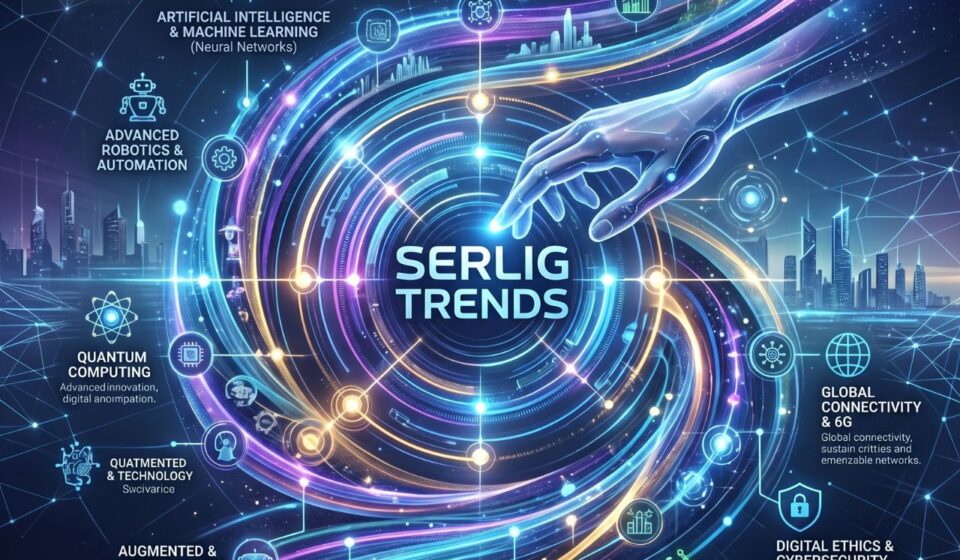

Serlig is emerging as a modern concept that reflects innovation, adaptability, and digital creativity. In today’s fast-evolving technological environment, new ideas often surface from online communities, startups, and experimental platforms. Serlig stands out as one of these evolving ideas, gaining attention for its flexible meaning and wide application across industries.
Rather than being limited to a single definition, it represents a mindset. It encourages creative thinking, problem-solving, and a willingness to explore unconventional solutions. As digital ecosystems continue to expand, such concepts play a vital role in shaping how individuals and businesses approach challenges.
What Makes Serlig Unique
One of the most notable aspects of serlig is its versatility. Unlike rigid frameworks or predefined systems, it adapts to different contexts. Whether applied in technology, business, or creative industries, it allows users to interpret and use it according to their needs.
Another factor that makes it unique is its association with innovation. It often represents ideas that begin on a small scale but grow into impactful solutions. This adaptability makes it relevant in a world where trends shift rapidly and flexibility is essential for success.
Moreover, it promotes a forward-thinking approach. Instead of focusing only on current solutions, it encourages exploring future possibilities and experimenting with new strategies.
The Origins and Evolution of Serlig
Although the exact origin of serlig remains unclear, many believe it developed within digital communities. Online platforms have long been spaces where new terms, ideas, and identities emerge. Over time, these ideas evolve and gain broader recognition.
Initially, it may have been used in niche discussions or experimental projects. However, as more individuals and businesses began adopting it, its meaning expanded. Today, it represents a broader philosophy that aligns with modern innovation trends.
Its evolution reflects the dynamic nature of the internet. Concepts no longer remain static; they grow and adapt as more people engage with them. This continuous transformation is a key characteristic of serlig.
Serlig in the Digital Age
In the digital era, serlig plays a significant role in shaping how people interact with technology. It aligns with trends such as artificial intelligence, digital transformation, and online collaboration.
Businesses, for example, can use it as a guiding principle for innovation. By embracing flexible strategies and creative solutions, they can stay competitive in rapidly changing markets. Similarly, content creators and developers can use it to experiment with new formats and ideas.
Furthermore, it reflects the shift toward user-driven innovation. Instead of relying solely on traditional methods, individuals now have the power to create and share ideas globally. This democratization of innovation is closely linked to the rise of serlig.
Key Features of Innovation Thinking
Serlig is not just a concept; it represents a way of thinking. Several key features define this mindset:
First, creativity plays a central role. It encourages individuals to think beyond conventional boundaries and explore new possibilities. This creative approach often leads to unique solutions and innovative outcomes.
Second, adaptability is essential. In a world where change is constant, the ability to adjust quickly is crucial. Serlig promotes flexibility, allowing individuals and organizations to respond effectively to new challenges.
Third, collaboration is highly valued. Many successful ideas emerge from teamwork and shared knowledge. By fostering collaboration, it enhances the potential for growth and innovation.
Lastly, experimentation is a core principle. Instead of fearing failure, it encourages testing new ideas and learning from the results. This trial-and-error approach often leads to breakthroughs.
Applications of Serlig Across Industries
The influence of serlig can be seen in various industries. In technology, it drives innovation by encouraging developers to explore new solutions and push boundaries. Startups, in particular, benefit from this mindset as they seek to disrupt traditional markets.
In business, it supports strategic growth. Companies that adopt flexible and creative approaches are more likely to adapt to market changes and customer demands. This makes it a valuable concept for modern organizations.
In the creative sector, it inspires artists, designers, and content creators. By embracing experimentation and originality, they can produce work that stands out in a crowded digital landscape.
Education is another area where it can have a significant impact. By promoting creative thinking and problem-solving, it prepares students for the challenges of the future.
Benefits of Embracing Innovation
Adopting serlig offers several advantages. One of the primary benefits is increased innovation. By encouraging creative thinking, it helps individuals and organizations develop new ideas and solutions.
Another benefit is improved adaptability. In a rapidly changing world, the ability to adjust quickly is essential. Serlig supports this by promoting flexible strategies and open-minded thinking.
It also enhances collaboration. By valuing teamwork and shared knowledge, it creates an environment where ideas can flourish. This collaborative approach often leads to better outcomes.
Additionally, it fosters personal growth. By encouraging experimentation and learning, it helps individuals develop new skills and expand their perspectives.
Challenges and Misconceptions About Serlig
Despite its advantages, serlig is not without challenges. One common misconception is that it lacks structure. While it promotes flexibility, it does not mean abandoning organization or planning. Instead, it balances creativity with strategic thinking.
Another challenge is its evolving nature. Because it does not have a fixed definition, some may find it difficult to understand or apply. However, this flexibility is also one of its strengths.
There is also the risk of misinterpretation. Without clear guidelines, individuals may use the concept inconsistently. To overcome this, it is important to focus on its core principles, such as innovation, adaptability, and collaboration.
The Future of Serlig
Looking ahead, serlig is likely to continue evolving. As technology advances and new trends emerge, its relevance will grow. It may become a key framework for understanding innovation and creativity in the digital age.
Businesses and individuals who embrace this concept will be better positioned to navigate future challenges. By staying open to new ideas and approaches, they can remain competitive and resilient.
Furthermore, it has the potential to influence education, leadership, and global collaboration. As more people adopt this mindset, it could shape how societies approach problem-solving and innovation.
Conclusion
Serlig represents more than just a trend; it is a reflection of modern thinking. By combining creativity, adaptability, and collaboration, it offers a powerful approach to innovation. In a world where change is constant, such a mindset is invaluable.
As it continues to evolve, its impact will likely expand across industries and communities. Those who understand and embrace it will be better equipped to thrive in the digital age.